


Playing golf during a heatwave can be enjoyable, but it also requires sensible preparation. Long periods in direct sunlight, high temperatures and physical effort can quickly lead to dehydration, fatigue, poor concentration and heat-related illness. Whether you are playing 9 holes, 18 holes or practising on the range, planning ahead can help you stay comfortable, protect your health and perform better on the course.
This guide covers what to do before your round, how to manage the heat while playing, and the best aftercare steps once your game is finished.
Good heatwave golf starts before you arrive at the first tee. Check the forecast, look at the expected peak temperature and consider whether your tee time can be moved earlier in the morning or later in the evening. Avoiding the hottest part of the day can make a big difference to both comfort and performance.
Hydration should begin before the round, not after you start feeling thirsty. Drink water steadily in the hours before playing and avoid relying on fizzy drinks, energy drinks or alcohol before golf, as these may increase dehydration risk.
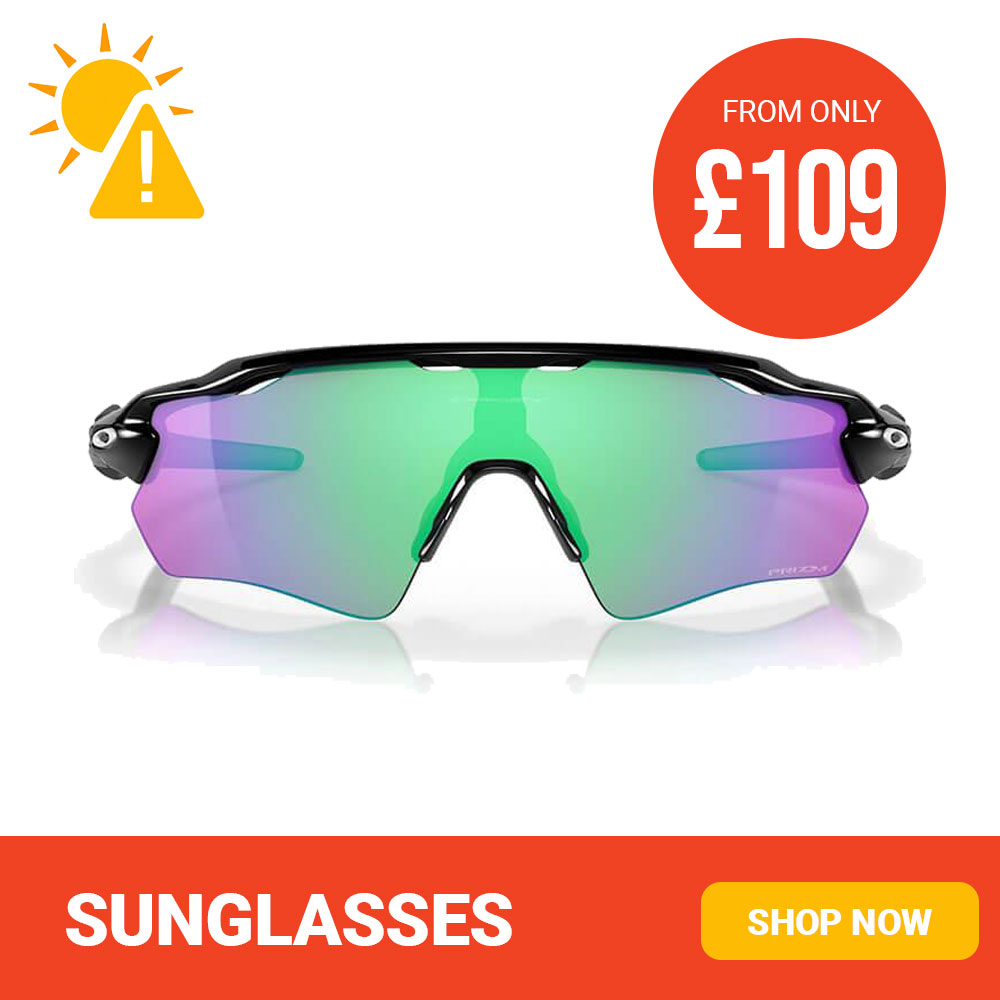
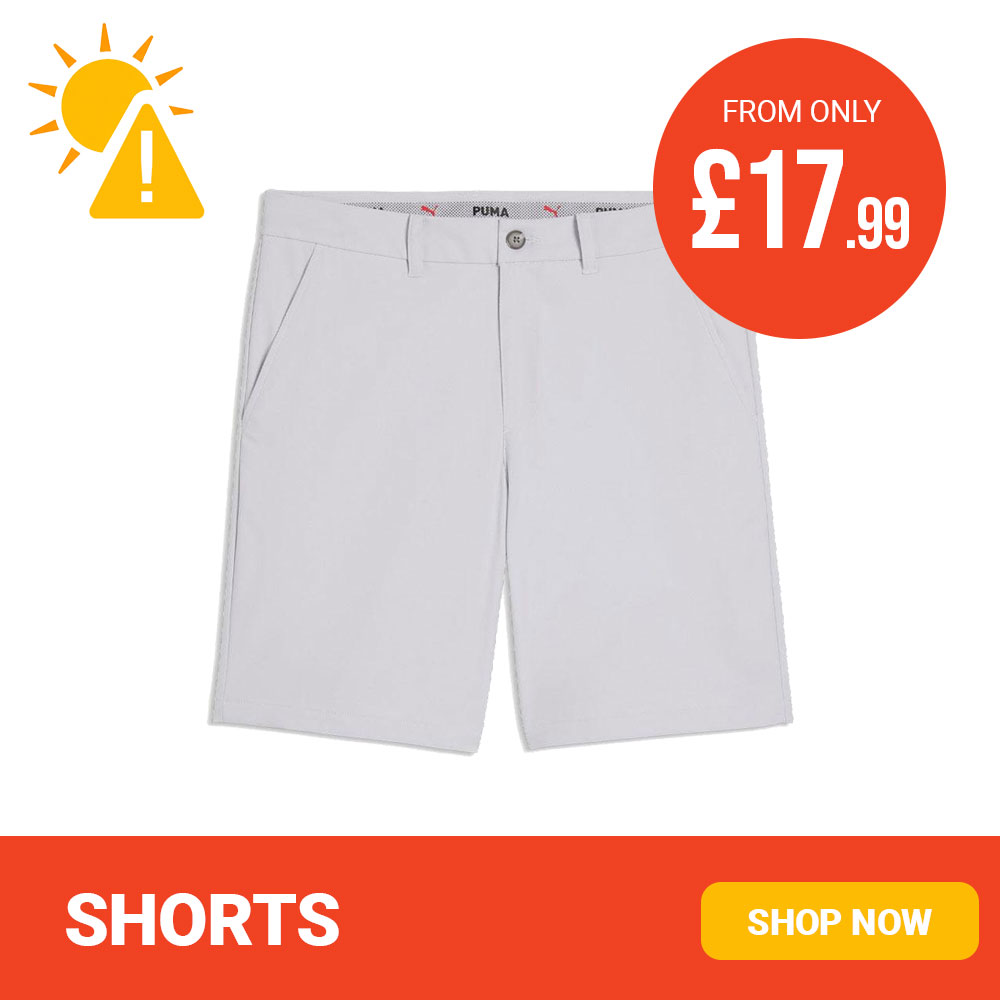
Wear breathable, lightweight and moisture-wicking golf clothing. Light colours are usually better in hot weather because they reflect more sunlight than dark colours. A golf cap, bucket hat or wide-brim hat can help protect your face and head, while sunglasses can reduce glare and eye strain.
Apply a high-factor sun cream before leaving home and reapply during the round, especially if you are sweating heavily. Don't forget areas such as the back of your neck, ears, hands and lower legs.
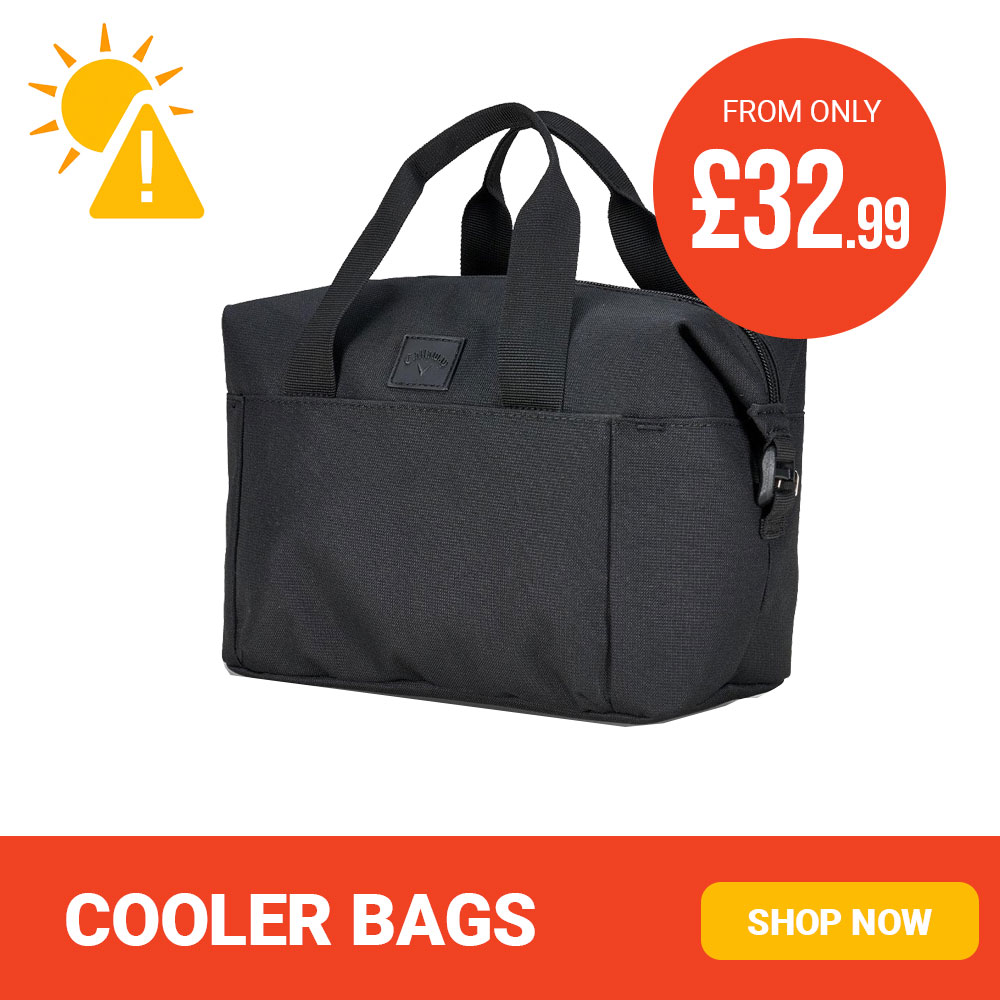
During a heatwave, your golf bag should include more than just clubs and balls. Carry plenty of water, a cooling towel, spare gloves, sun protection, snacks and anything else that helps you stay cool and energised. If using a trolley, an umbrella can also provide shade between shots.
| Essential | Why You Need It |
|---|---|
| Large Water Bottle | Helps maintain hydration throughout the round. |
| Electrolyte Drink or Tablets | Replaces salts lost through sweating and supports energy levels. |
| Cooling Towel | Can be placed around the neck or wrists to help lower body temperature. |
| Golf Cap or Bucket Hat | Protects your head, face and eyes from direct sun exposure. |
| Sunglasses | Reduces glare and helps protect your eyes in bright conditions. |
| High SPF Sun Cream | Protects exposed skin from sunburn during long periods outdoors. |
| Lightweight Golf Polo | Breathable fabric helps keep you cooler and more comfortable. |
| Spare Golf Glove | Useful when your glove becomes damp from sweat. |
| Umbrella | Provides valuable shade between shots, not just rain protection. |
| Light Snacks | Helps maintain energy without feeling heavy in the heat. |
Once on the course, pace yourself. Heat can affect concentration, decision-making and physical performance, so avoid rushing between shots. Walk at a steady pace, use shaded areas whenever possible and take short breaks when waiting on tees.
Drink small amounts regularly rather than waiting until you feel thirsty. Thirst is often a sign that dehydration has already started. A sensible approach is to drink on every hole, especially during long walks between greens and tees.
Standing in direct sun for several hours can quickly increase fatigue. Use tree cover, shelters, a golf umbrella or your trolley umbrella holder to create shade. When waiting for playing partners, step out of the sun rather than standing exposed on the fairway or tee box.
Golf during a heatwave can feel harder than normal. The body works harder to regulate temperature, and this can affect stamina and timing. Do not be surprised if you feel more tired, swing slower or lose concentration later in the round.
Choose smart targets, avoid unnecessary risks and accept that course conditions may play firmer and faster than usual. Fairways may release more, greens may become quicker, and club selection may need adjusting.



Heat-related illness should always be taken seriously. Stop playing and seek shade immediately if you feel dizzy, unusually weak, confused, sick, severely cramped or develop a headache that does not ease. If symptoms are severe or do not improve, seek medical help.
After finishing your round, take time to cool down properly. Move into shade or an air-conditioned area, continue drinking water and replace lost electrolytes if you have been sweating heavily. Avoid going straight to alcohol after the round without rehydrating first.
Change out of sweaty clothing as soon as possible and allow your body temperature to settle. A cool shower can help recovery, while a light meal containing protein, carbohydrates and salt can support energy replacement.
Heat can also affect your golf equipment. Do not leave golf balls, gloves, shoes, electronics or rangefinders in a hot car for long periods. Store battery-powered devices safely and allow shoes and gloves to dry naturally after use.
Playing golf in hot weather is all about preparation, pacing and protection. Start hydrated, dress appropriately, carry the right accessories and listen to your body throughout the round. With the right approach, you can still enjoy your golf safely and comfortably, even when temperatures rise.
Important: If extreme heat warnings are in place, consider postponing your round, reducing the number of holes played or switching to an early morning tee time.