


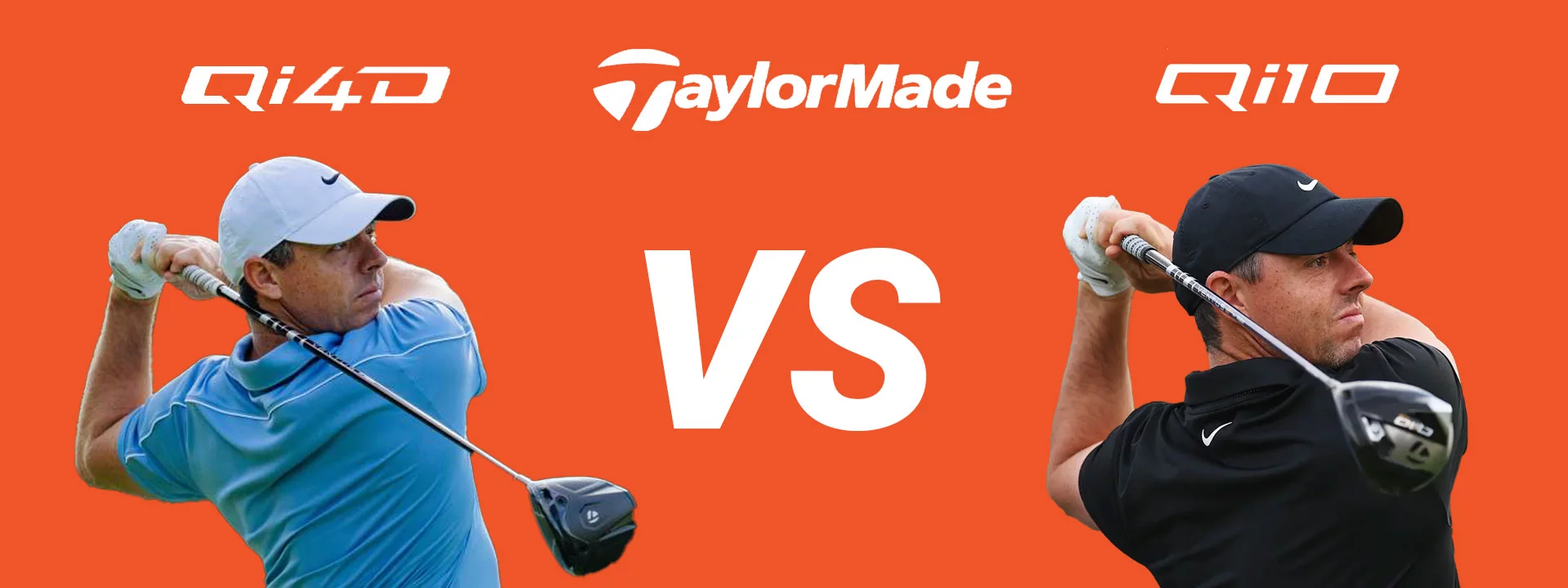
With the launch of the TaylorMade Qi4D range for 2026, many golfers are asking the same question - is Qi4D better than Qi10, and is it worth upgrading?
Both driver families are built around speed, forgiveness and modern face technology. However, Qi4D introduces key refinements in stability, dispersion control and consistency that help separate it from the previous generation. This guide breaks down the differences in technology, performance profile, forgiveness and player suitability to help you decide which driver is right for your game.
| Feature | Qi4D | Qi10 |
|---|---|---|
| Release Year | 2026 | 2024 |
| Primary Focus | Stability and straighter dispersion | Speed and forgiveness |
| Spin Profiles | LS, Standard, Max, Max Lite options | LS, Standard, Max options |
| Forgiveness Emphasis | Enhanced stability across the face | High forgiveness with speed bias |
| Ideal For | Players seeking improved dispersion | Players wanting explosive distance |
The Qi10 remains a strong driver family, but Qi4D has been engineered with a greater focus on reducing dispersion and maintaining ball speed across a wider impact area.
The biggest evolution from Qi10 to Qi4D is stability through impact. While Qi10 delivered excellent speed and forgiveness, Qi4D refines weight distribution and head balance to improve consistency across the face. The goal is not just distance - it's tighter shot grouping.
Golfers upgrading from Qi10 may notice:
This is particularly valuable for golfers who generate decent speed but struggle with directional consistency when strike location drifts away from centre.
Both ranges offer LS and Max variations, but Qi4D fine-tunes spin windows to better separate player profiles. Qi10 LS focused on reducing spin for stronger players. Qi4D LS maintains a low-spin flight but adds improved stability, making it slightly more playable than previous low-spin models.
The standard Qi4D delivers a balanced mid-launch profile similar to Qi10, but with added consistency across the face, which can help maintain more predictable launch and spin on real-world strikes.
Qi10 was marketed heavily around ball speed preservation. Qi4D builds on that by improving impact stability, meaning off-centre strikes lose less directional control. For mid to higher handicap players, this refinement may be noticeable in real-world conditions, particularly under pressure.
| Model Category | Qi10 | Qi4D |
|---|---|---|
| LS Models |
|
|
| Standard Models |
|
|
| Max Models |
|
|
If you liked the Qi10 LS but wanted tighter dispersion, Qi4D LS is a logical upgrade. For many golfers, the standard models will feel like a refinement rather than a radical change, with the biggest gains showing up in consistency. Golfers prioritising fairways hit may prefer the Qi4D Max over the Qi10 Max.
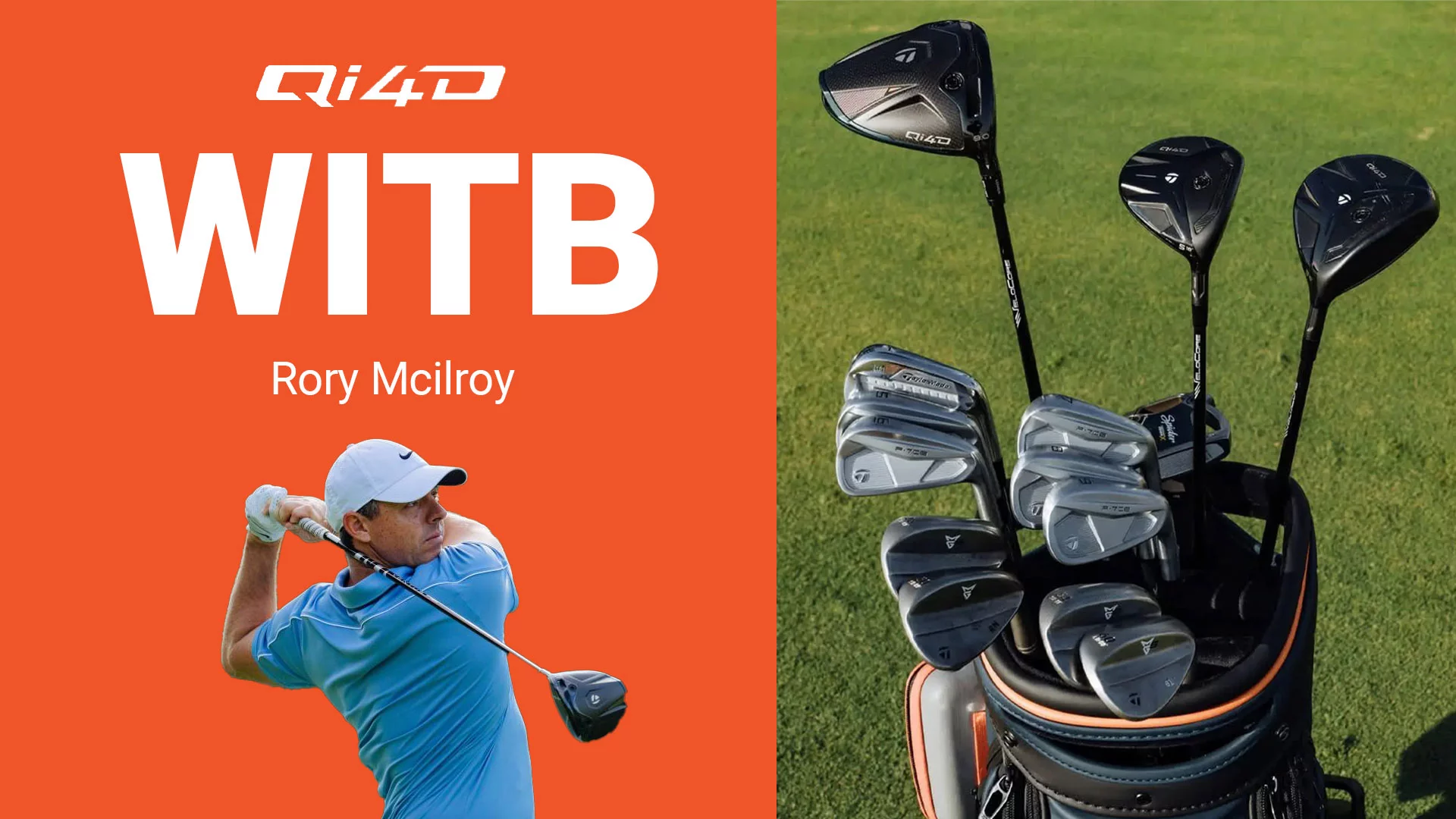
Both families are forgiving, but they achieve it differently. Qi10 protects ball speed across the face. Qi4D adds greater stability and dispersion control to that speed retention. For players who miss across the face and struggle with curvature, Qi4D may offer more noticeable benefits.
In terms of raw distance, both drivers are highly competitive. Qi10 delivers strong ball speed and carry. Qi4D maintains similar speed while refining launch and spin consistency. For most golfers, total distance differences will be marginal - the real gain comes from improved consistency and reduced dispersion.
Consider upgrading if:
You may not need to upgrade if:
A launch monitor session can provide measurable data on whether Qi4D offers performance gains for your swing.

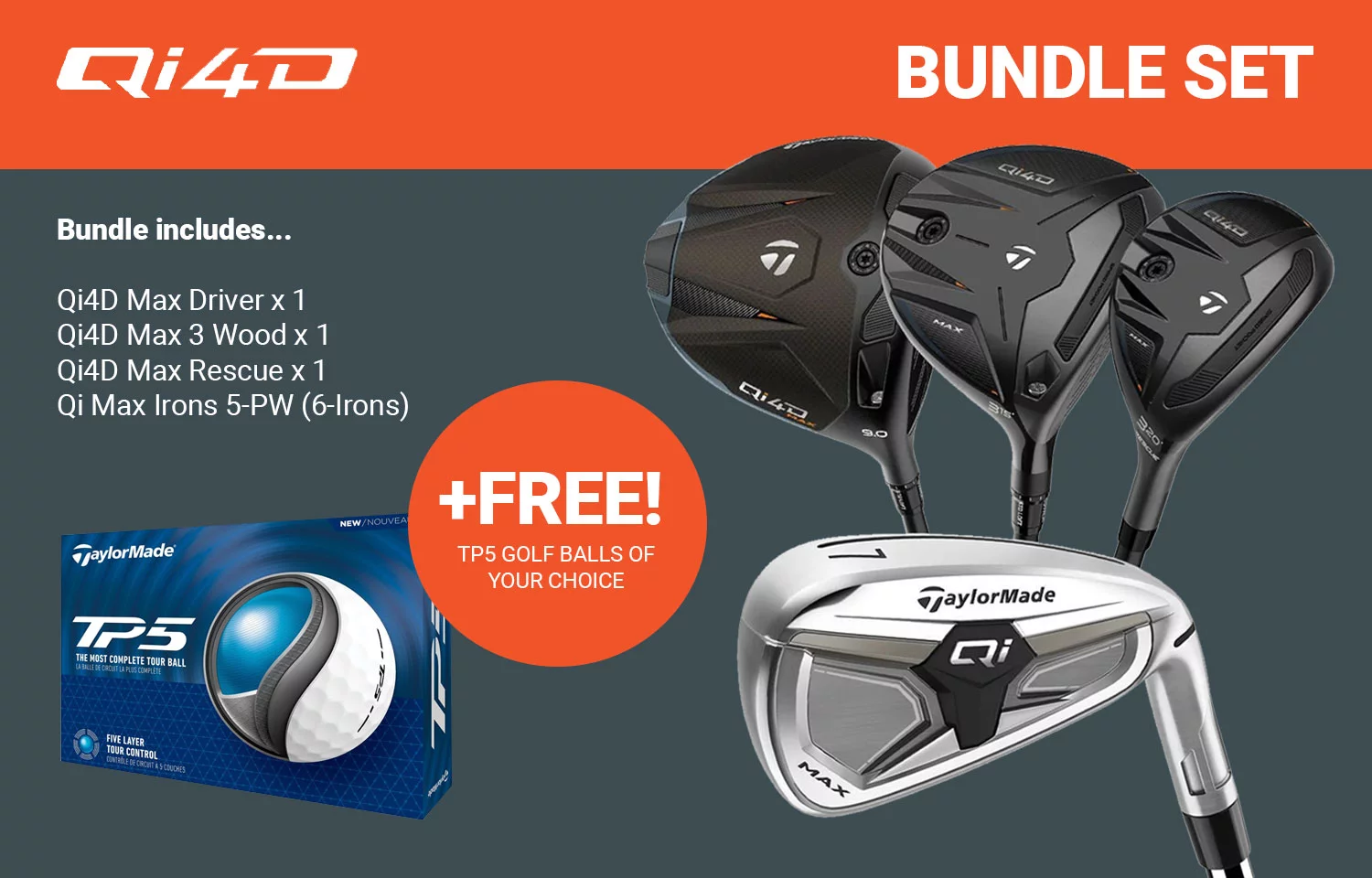
The Qi10 remains a strong, capable driver family. However, the Qi4D range refines performance by focusing on stability, dispersion and repeatable results. Rather than reinventing distance, TaylorMade has improved consistency.
If your priority is straighter drives and improved reliability off the tee, Qi4D is the more advanced option for 2026. If your Qi10 is properly fitted and performing well, the difference may be incremental rather than transformational. The best way to decide is through comparison testing or professional custom fitting.
To see the full 2026 lineup including LS, Standard, Max and Max Lite models, visit the TaylorMade Qi4D Range hub page. For detailed specifications, pricing and availability, explore:
If you need advice on upgrading, our team can help you choose the right configuration for your game.