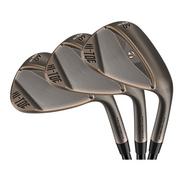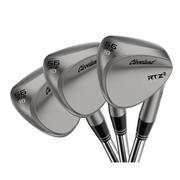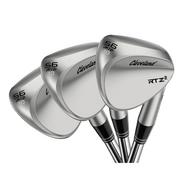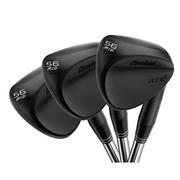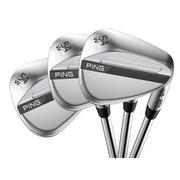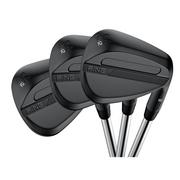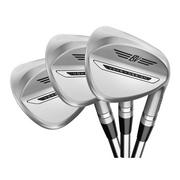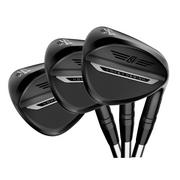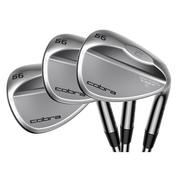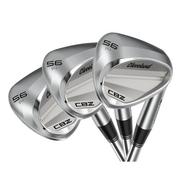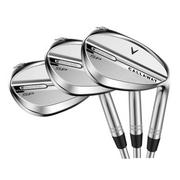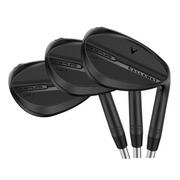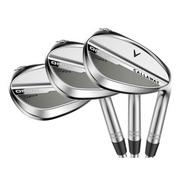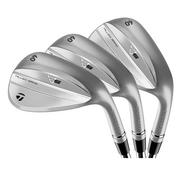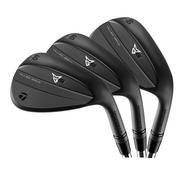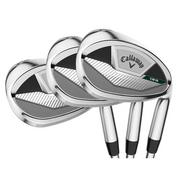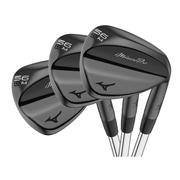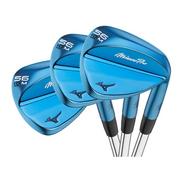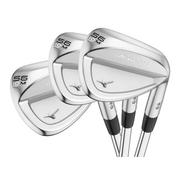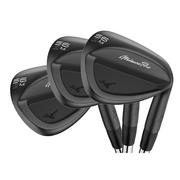


Your wedges are your scoring clubs, so having the right setup can make a real difference when it matters most. A professional wedge fitting helps match the loft, bounce, grind, shaft and overall setup to your swing and the shots you like to play. From full approaches to delicate chips and bunker shots, the right wedges can give you greater control, consistency and confidence around the greens.



Wedges are some of the most important clubs in your golf bag. From full approach shots and controlled pitches to bunker shots, chips and delicate shots around the green, they are responsible for a huge variety of situations during a round. Yet while many golfers invest time in being professionally fitted for a driver or set of irons, wedges are often chosen without the same level of consideration.
A professional wedge fitting can help ensure your lofts, bounce, grind and overall setup are matched to your swing, technique and the conditions you regularly play in. The right combination can improve distance control, turf interaction, versatility and confidence throughout your short game.
Two golfers with similar handicaps can require completely different wedge setups. One player may deliver the club steeply into the ball and take large divots, while another has a much shallower action and barely disturbs the turf.
Course conditions also make a difference. Soft fairways and fluffy bunkers place different demands on a wedge compared with firm turf, tight lies and compact sand.
This is why simply choosing a wedge because you like its loft or appearance can mean overlooking some of the characteristics that have the greatest influence on how it actually performs.
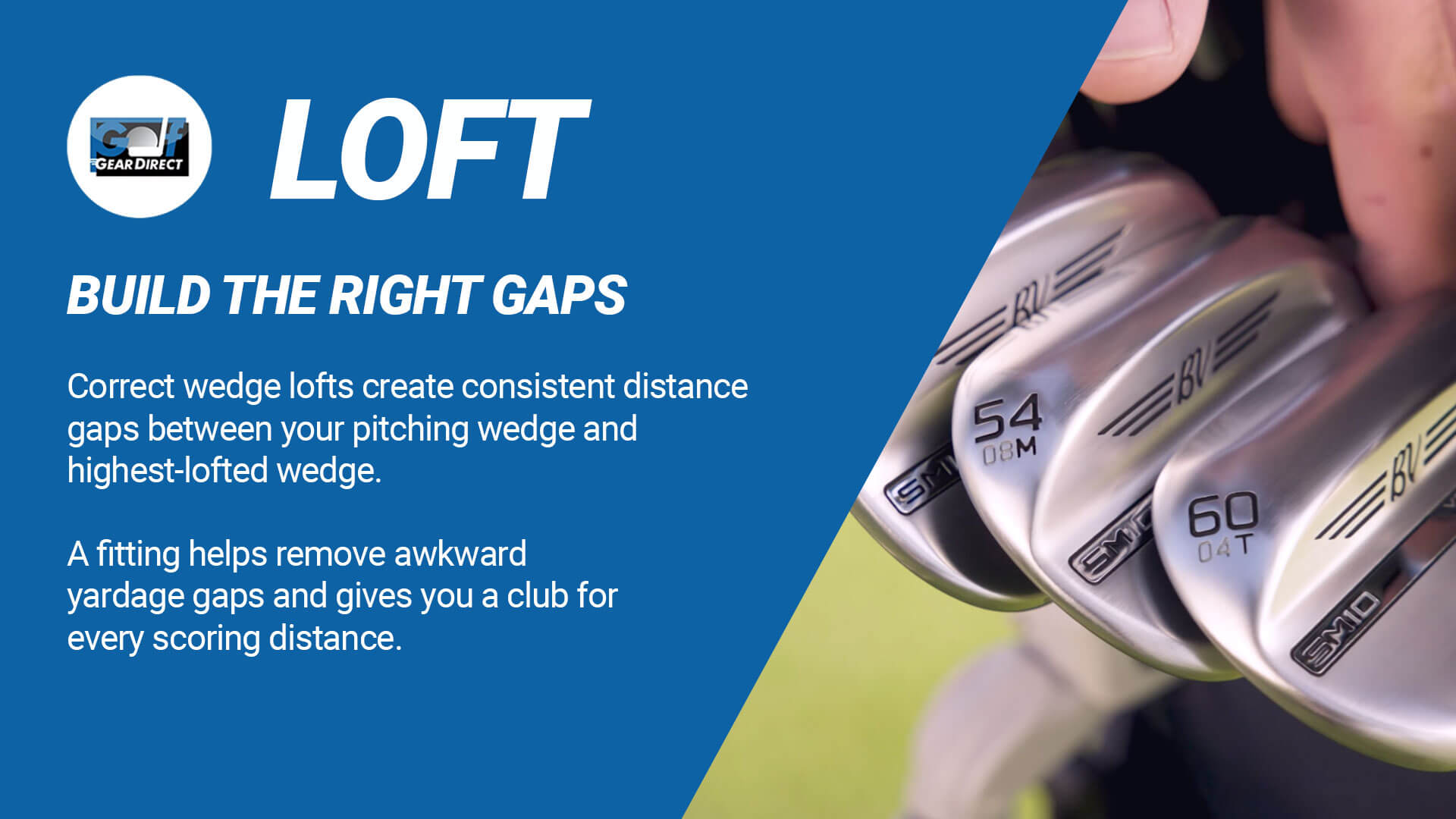
One of the first things to consider during a wedge fitting is loft gapping. Modern iron sets can vary considerably in loft, which means choosing wedges based on traditional loft combinations may leave unwanted distance gaps.
Your wedge setup should ideally begin with the loft of your pitching wedge. From there, a fitter can assess your carry distances and recommend a progression of lofts that produces useful and consistent gaps through the bottom of the bag.
For example, one golfer may be ideally suited to a 50 degrees, 54 degrees and 58 degrees setup, while another could achieve better gapping with 48 degrees, 52 degrees and 56 degrees wedges. The important factor isn't following a particular combination - it's finding the combination that works with your own irons and distances.
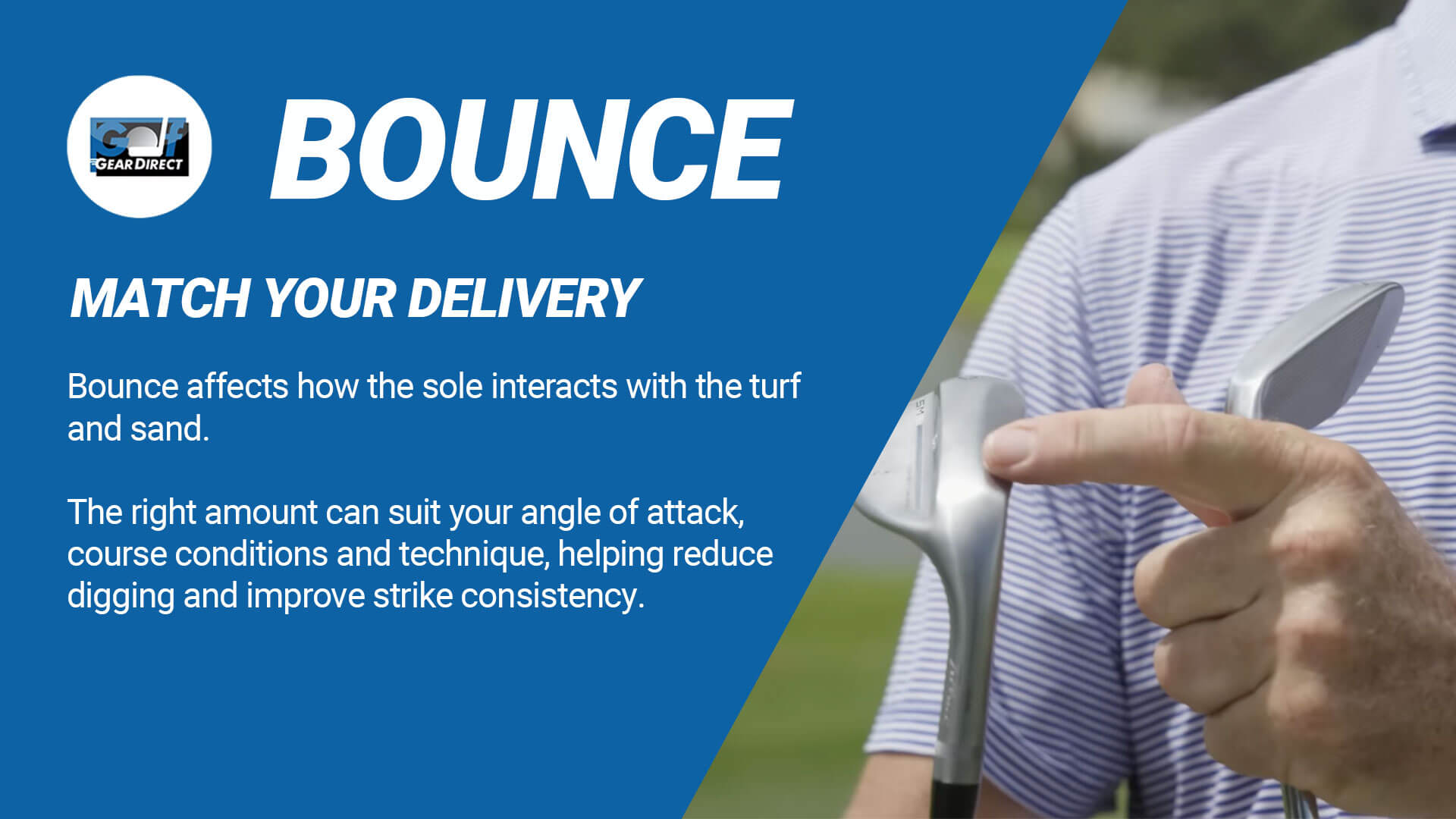
Bounce is one of the most important - and often misunderstood - elements of wedge fitting. It refers to the relationship between the leading edge and the lowest point of the sole when the club is positioned for a standard shot.
In practical terms, bounce helps control how the wedge interacts with the ground or sand.
More bounce can help prevent the leading edge from digging too deeply into the turf, making it particularly useful for steeper swings and softer conditions. Lower-bounce options can work well for shallower deliveries, firmer ground and golfers who like to manipulate the face around the green.
Neither high nor low bounce is automatically better. The objective of fitting is to find the amount that complements how you deliver the club.
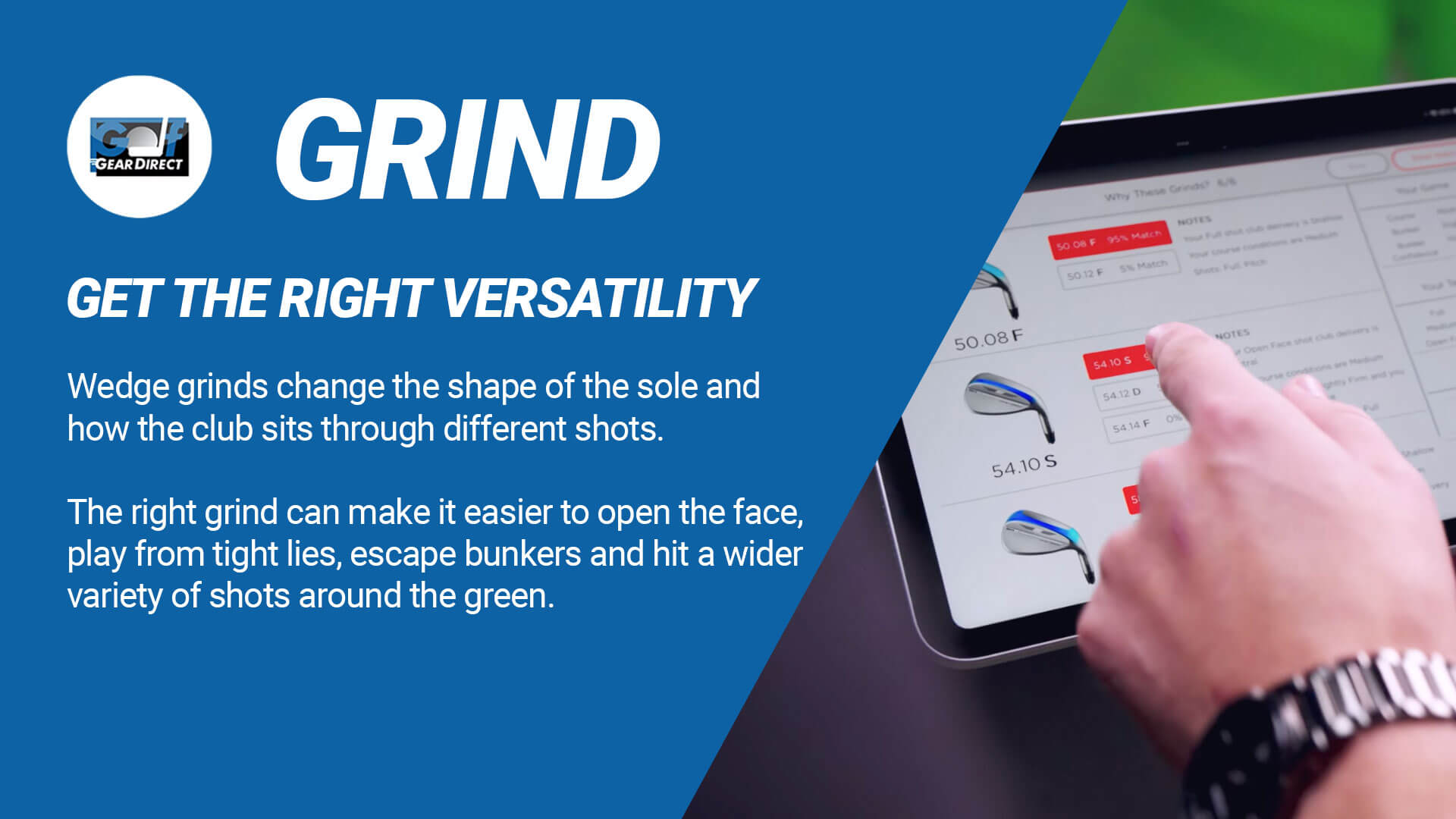
Loft and bounce only tell part of the story. The sole grind can dramatically change how a wedge behaves when the face is opened, closed or played from different lies.
Wedge manufacturers use different combinations of heel, toe and trailing-edge relief to create sole designs suited to different techniques and conditions.
A golfer who normally plays with a square face may benefit from a very different grind to somebody who frequently opens the face for high, soft shots. During a fitting, trying different sole designs from realistic lies can show which option gives you the greatest versatility without sacrificing consistency.
Your angle of attack and impact conditions provide valuable information when choosing wedges.
A golfer with a steep delivery will generally interact with the turf differently from someone who sweeps the ball with a shallow action. Divot patterns, strike location and the way the sole moves through the ground can therefore help a fitter identify suitable bounce and grind combinations.
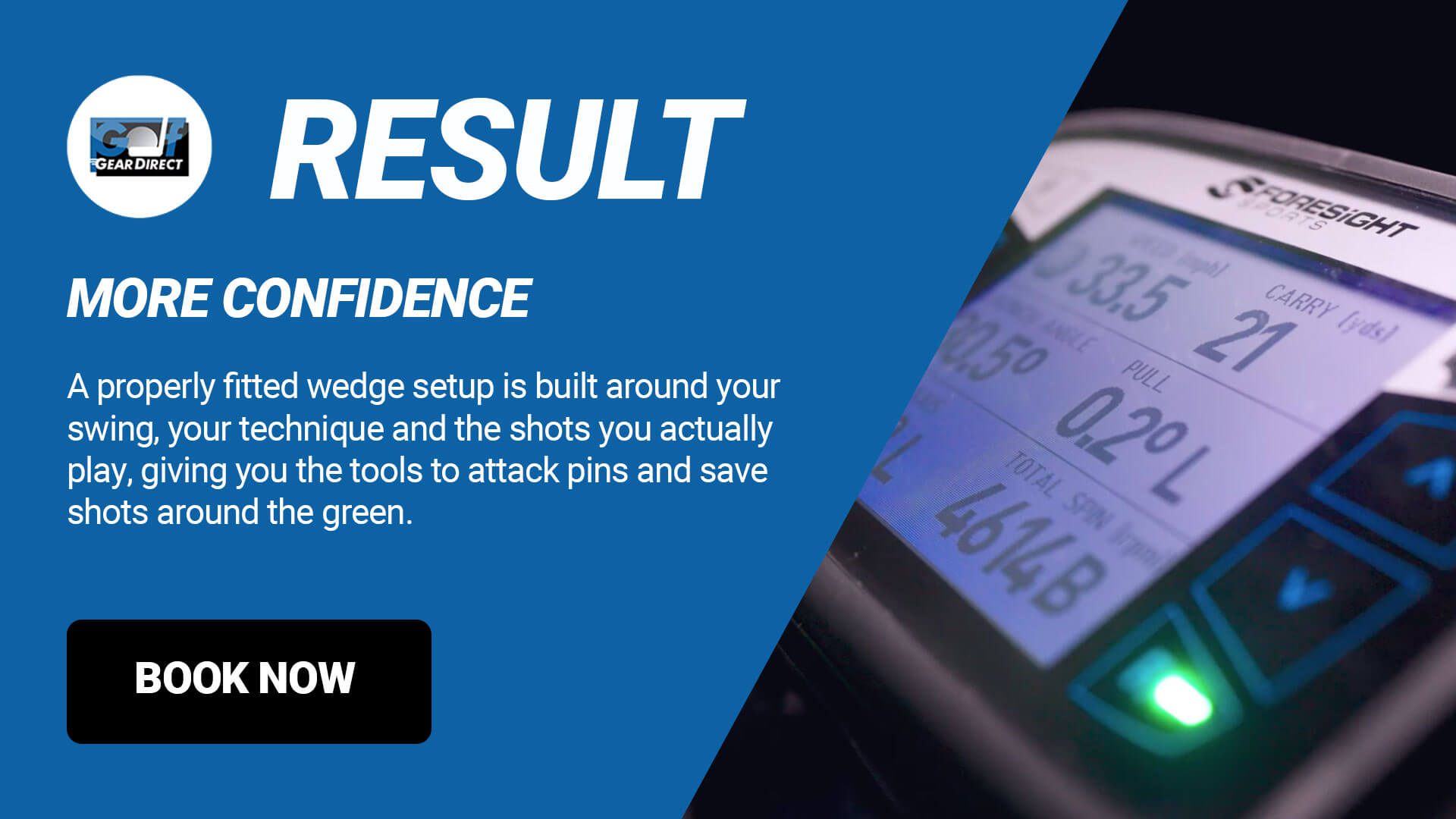
Launch monitor data can add another layer of information, particularly when testing full and partial wedge shots. Carry distance, launch, spin and consistency can all be considered alongside what the golfer and fitter see happening through impact.
A good wedge fitting shouldn't take place without considering where you normally play your golf.
If your home course is generally soft, a wedge with more effective bounce may provide valuable protection against digging. Golfers regularly playing from tight, firm turf may prefer a sole that sits closer to the ground and provides greater freedom to manipulate the clubface.
Bunker conditions matter too. Deep, soft sand can require a very different sole configuration from shallow, compact bunkers.
This is why the best wedge setup isn't necessarily the one used by a tour professional or another golfer at your club. It is the one that suits your swing and the shots you actually encounter.
Wedge fitting isn't simply about finding three identical wedges with different numbers stamped on the sole.
Each wedge can perform a different job. A gap wedge used predominantly for full shots might benefit from a setup that provides predictable distance and turf interaction, while your highest-lofted wedge may need greater versatility for bunker shots, open-face pitches and shots from difficult lies.
This can mean using different bounce or grind options throughout the set. What matters is that the wedges complement one another and collectively cover the shots you need around the course.
The clubhead receives much of the attention during wedge fitting, but the rest of the specification shouldn't be ignored.
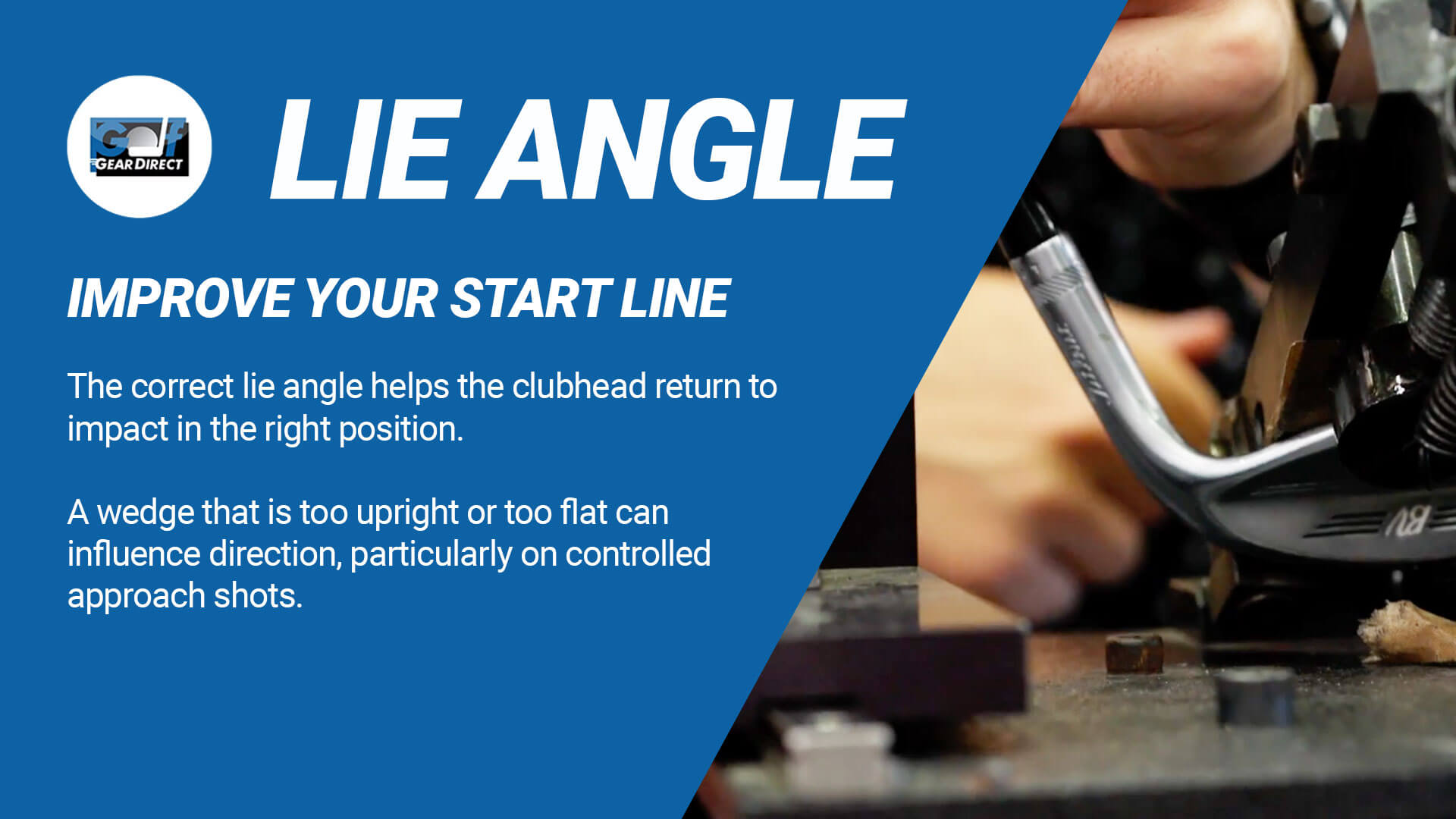
Shaft weight and feel can influence how comfortably you control the club, while length and lie angle can affect setup, strike and directional consistency. Depending on how you use each wedge, the ideal specification may also differ from simply copying the exact setup found in your irons.
A professional fitting allows these details to be considered as part of the complete wedge rather than treating the head in isolation.
Good wedge play isn't about hitting every club as far as possible. It's about producing predictable distances.
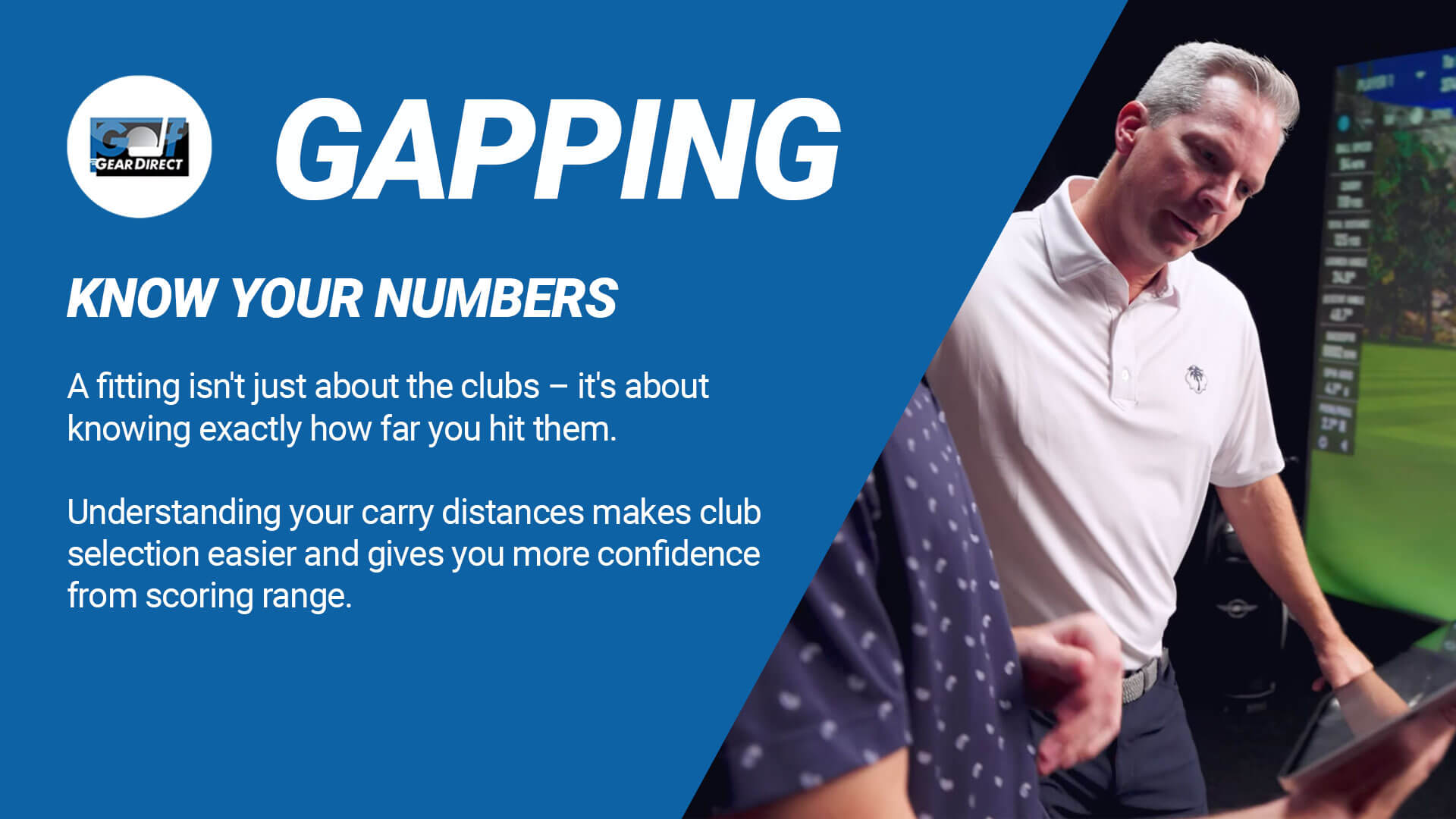
During a fitting, testing full swings alongside controlled three-quarter and partial shots can help establish how each wedge fits into your short-game distance matrix.
Removing large gaps and unnecessary overlaps gives you clearer choices on the course. Instead of trying to manufacture an uncomfortable shot because you don't have the right distance covered, you can select a wedge and swing that you know produces the required carry.
Perhaps one of the biggest benefits of a properly fitted wedge setup is confidence.
Knowing that the sole is suited to your delivery can make it easier to commit to bunker shots and pitches. Having sensible loft gaps removes uncertainty on approach shots, while choosing an appropriate grind can give you more options when you're faced with awkward lies around the green.
There is no wedge that will automatically create a great short game, but having equipment that works with rather than against your technique gives you a much better foundation from which to play.
Professional wedge fitting brings all of these variables together. Instead of choosing loft, bounce and grind independently, the fitter can look at how they interact with your swing, existing irons and typical playing conditions.
The fitting process can help establish:
Your wedges are scoring clubs, so they deserve the same attention as the rest of your set. Buying the latest wedge technology can certainly provide benefits, but choosing the correct specification is just as important.
A professional wedge fitting removes much of the guesswork. By looking at your technique, strike, distances and playing conditions, you can build a wedge setup designed around the way you play golf.
Whether you're looking for tighter distance gaps on approach shots, more reliable turf interaction or greater versatility around the greens, getting properly fitted can help you get considerably more from the wedges in your bag.